
📖 Japan Stories | 🧰 The Japan Edit
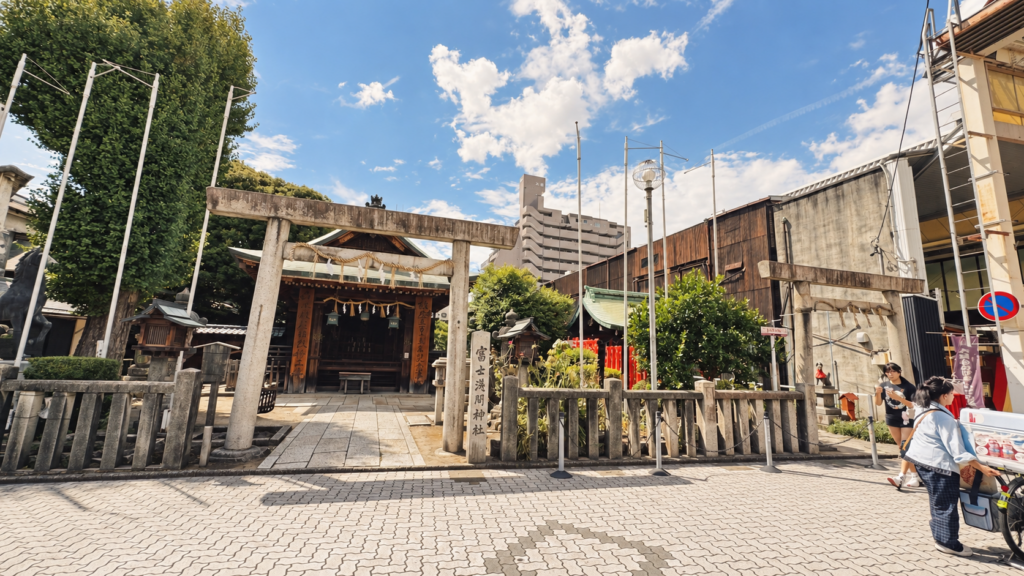
I wasn’t looking for a shrine. I was cutting through a side street off the main shopping arcade in Osu, Nagoya, trying to find a shortcut back to the station, when I turned a corner and there it was — a stone torii gate, tucked so quietly between the buildings that I almost walked past it.
The stone marker out front read 富士浅間神社 — Fuji Sengen Shrine. I didn’t think much of the name at first. Then I looked it up.
This shrine was founded in 1495, by imperial order, to enshrine a piece of Mount Fuji itself — specifically, Konohanasakuya-hime, the goddess believed to dwell on the mountain. The spirit was carried here from the original Fuji Sengen Taisha in Suruga (modern-day Shizuoka), more than 300km away. And here’s the part that stopped me: tradition holds that visiting this shrine carries the same spiritual weight as visiting Mount Fuji in person.
You don’t need to climb anything. You just need to turn the right corner in a shopping street.
Right beside the main shrine, tucked into the same small lot, is a second gate — this one red, in a short tunnel of torii leading to Maneki Inari, a smaller shrine dedicated to a fox spirit said to “beckon” good fortune toward whoever visits.
Two gods. One tiny plot of land squeezed between a noodle shop and an apartment building. No admission fee, no crowd, no sign pointing tourists toward it from the main street.
I think this is what I love most about shrines in Japan — they don’t always announce themselves. Sometimes the biggest stories are hiding behind the smallest doors.
If you go: It’s just off the main Osu Kannon shopping street (about a 4-minute walk from Osu Kannon Station), on what was historically called Sengen Yokocho — Sengen Alley.