
📖 Japan Stories | 🧰 The Japan Edit
I was about ten seconds from walking past it. A bronze warrior on horseback, one arm raised, standing in a quiet park with nobody else around. Japan has a lot of these — I’ve stopped counting how many samurai statues I’ve half-looked at and kept walking.
This one I actually read the plaque for. Tōdō Takatora. The name meant nothing to me at the time.
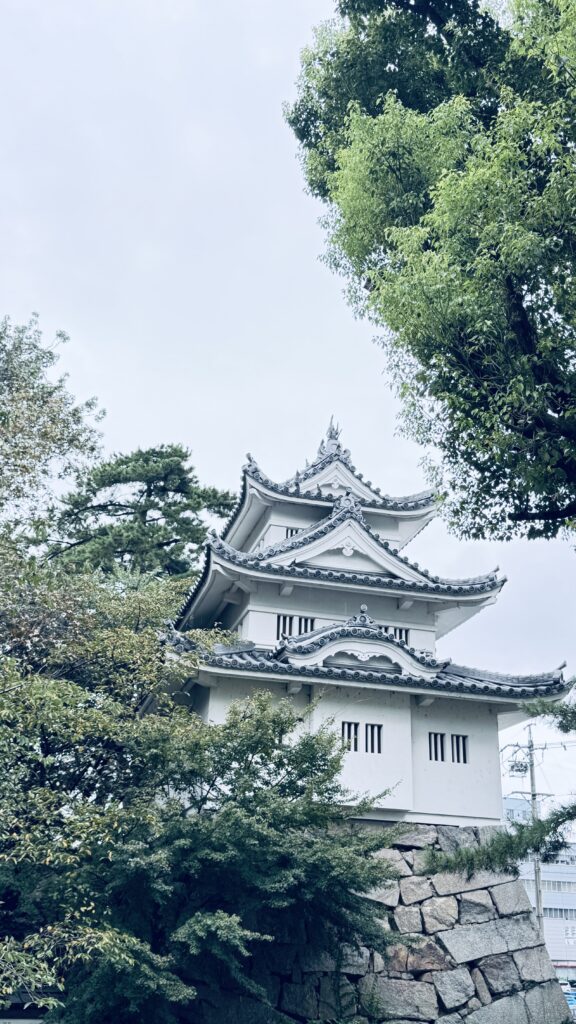
Behind the statue, there’s no castle keep — just a moat, some trees, and a wall. A really tall, really straight stone wall. Straighter than any castle wall I’d noticed before, actually, now that I was looking. Turns out that’s the whole reason to stop here.
I looked him up on the walk back to the car. Takatora built castles for a living, and apparently a famous one at that — stacking stone walls higher and more vertical than anyone else was doing at the time. This exact wall is his, built after he moved to Tsu in 1608. And it’s not a replica. It’s the same stones, over 400 years later.
That’s the part that got me. This wall watched the entire samurai era end. It was still standing when American planes bombed this region in WWII, flattening a lot of what stood around it. A stack of rocks outlasted a world war.
There’s apparently a smaller detail too — some of these old castle walls have tiny symbols carved into individual stones, and nobody’s fully sure why. The leading guess is that they marked which crew laid which section, like a 17th-century contractor’s signature. I didn’t spot one myself, but I like knowing they’re in there somewhere, waiting for someone more patient than me.
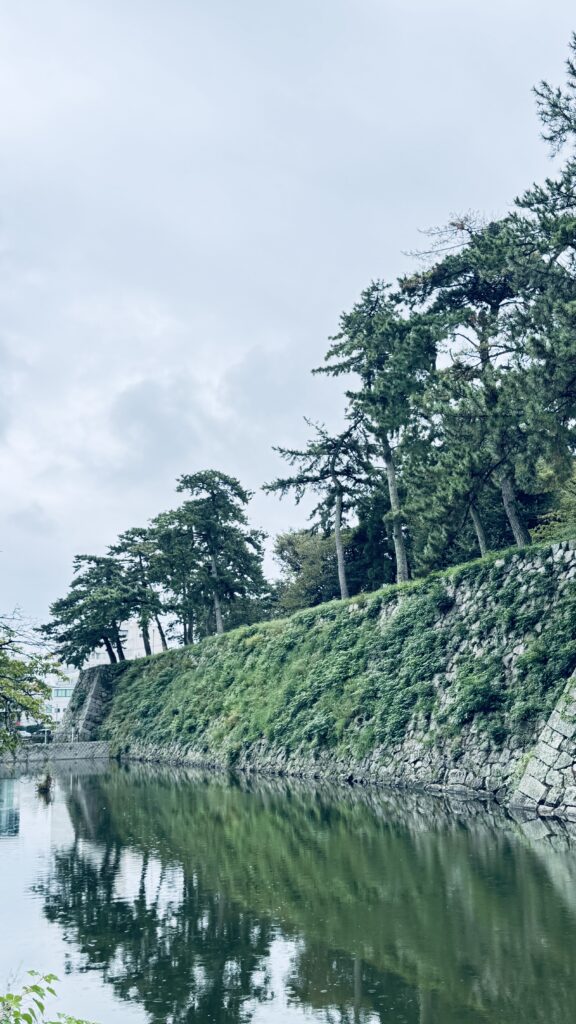
What actually stuck with me more, though, was hearing that local kids still volunteer to clean up the castle grounds. Nobody’s forcing 400-year-old stones to stay this presentable — a place doesn’t get looked after like that unless the people living around it still care about it.
Mie doesn’t get much attention next to Ise’s shrines or the beaches further south. But I’ll take a 400-year-old wall reflecting in its own moat, cleaned by kids who’ve probably never left the prefecture, over a lot of “must-see” photo spots.
If you go: there’s a honey manju shop within walking distance of the castle grounds. Not a bad way to end the visit.