
📖 Japan Stories | 🧰 The Japan Edit
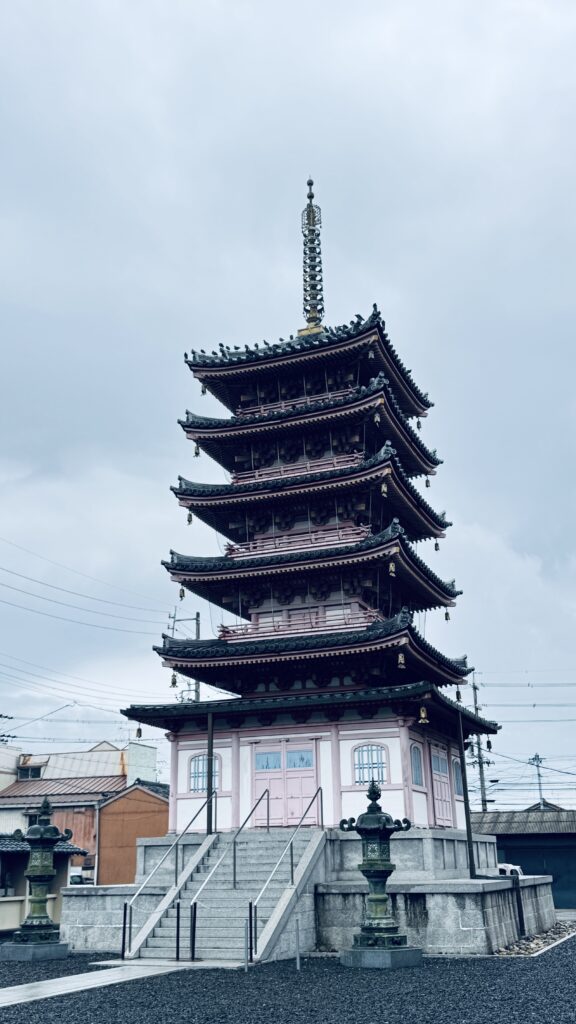
Somewhere in Mie, there’s a temple built around the same kind of story as Tokyo’s Asakusa: a fisherman’s net, pulled up from the water, with a statue of Kannon tangled in it instead of fish. Whoever found it decided that was worth building a temple over, and that temple — Tsu Kannon — is still standing.
It’s not just a similar legend. It’s officially in the same club. Asakusa Kannon, Osu Kannon in Nagoya, and Tsu Kannon here in Mie are grouped together as Japan’s “three great Kannon” temples — same rank, same religious weight. Two of them get mobbed by tourists every day. The third one, you can walk through in near silence.
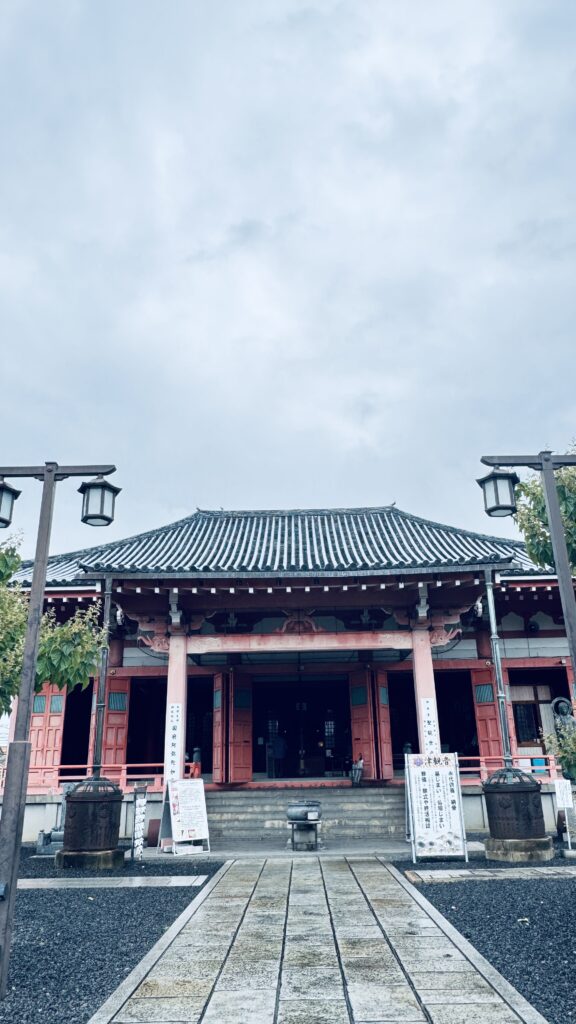
The story goes back to 709, when a fisherman working the waters off Akogi Beach — yes, the same beach with the word-origin story — pulled up a statue of Kannon in his net. A temple got built around it, and it’s been rebuilt more than once since: a massive earthquake and tsunami swallowed the original site in 1498, and the buildings later burned down during a siege in the Sengoku period. What’s standing now — the five-story pagoda, the bell tower, the main hall — is a newer version of a very old idea.
Walking through it on a gray, quiet morning, what struck me wasn’t the history plaque, it was how little competition there was for the space. No crowd funneling toward the incense burner. No line for photos at the pagoda. Just a bell tower, some trees, and a modern memorial hall tucked in next to buildings that have been rebuilt across seven centuries.
If Asakusa is the version everyone photographs, Tsu Kannon is the version you actually get to stand in front of.